Does the 2026 Honda CR-V’s Standard Adaptive Cruise Control Make Long Highway Drives Less Tiring?
August 15 2026,
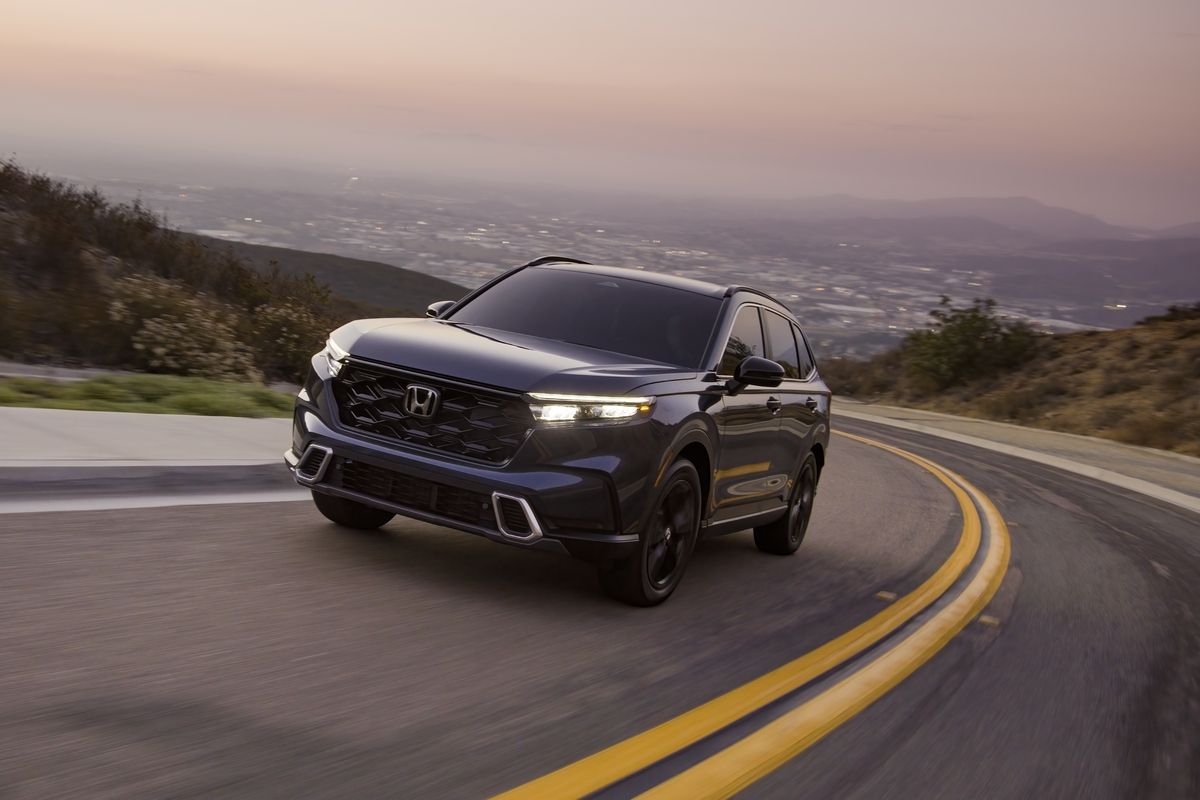
Long highway stretches in Quebec can wear on a driver faster than expected, especially when traffic speeds shift every few minutes. The 2026 Honda CR-V includes Adaptive Cruise Control as part of its standard safety suite, and it is worth understanding exactly what that feature does before you decide it will change your drive.
What Adaptive Cruise Control Actually Is
Adaptive Cruise Control (ACC) is one of the driver-assistive technologies included in the Honda Sensing suite. Rather than holding a single fixed speed like a traditional cruise control, ACC maintains a set speed while also tracking the vehicle ahead and adjusting your following distance automatically.
On the CR-V Sport Hybrid, ACC is listed as standard equipment within Honda Sensing, alongside Blind Spot Information, Collision Mitigation Braking, Lane Keeping Assist, and related systems. Honda groups these technologies together because they work off the same sensors and cameras.
How It Works in Plain Language
Once ACC is set, the CR-V watches the vehicle ahead and slows or speeds up to keep the gap you have selected. On a steady highway trip, that means the system handles small speed adjustments so you are not constantly touching the accelerator or brake.
In traffic that speeds up and slows down, ACC reduces how often you have to brake and re-accelerate yourself. Maintaining a consistent following gap, rather than closing in and braking repeatedly, is the core of what the system is doing.
Steering-wheel-mounted controls let you set, adjust, or cancel ACC without taking your hands off the wheel, which matters on a long drive where reaching for a dashboard button is one more distraction.
Why It Matters for Everyday Driving
The real benefit shows up in predictable conditions: steady highway cruising, moderate traffic, and stop-and-go congestion where speeds bounce between a crawl and normal flow. In those situations, ACC cuts down on constant pedal input, which is where a lot of highway fatigue comes from.
It is worth being clear about what ACC does not change. The system eases your workload; it does not replace attentive driving. Smooth traffic with predictable spacing is where ACC helps most. Heavy cut-ins, sudden merges, and weather that reduces sensor visibility, such as heavy snow or rain, can still demand that you take over actively.
Lane Keeping Assist and the other Honda Sensing features work alongside ACC rather than as separate add-ons. Together, they are meant to make a long drive feel calmer, not to take the driving away from you.
Who Notices the Difference Most
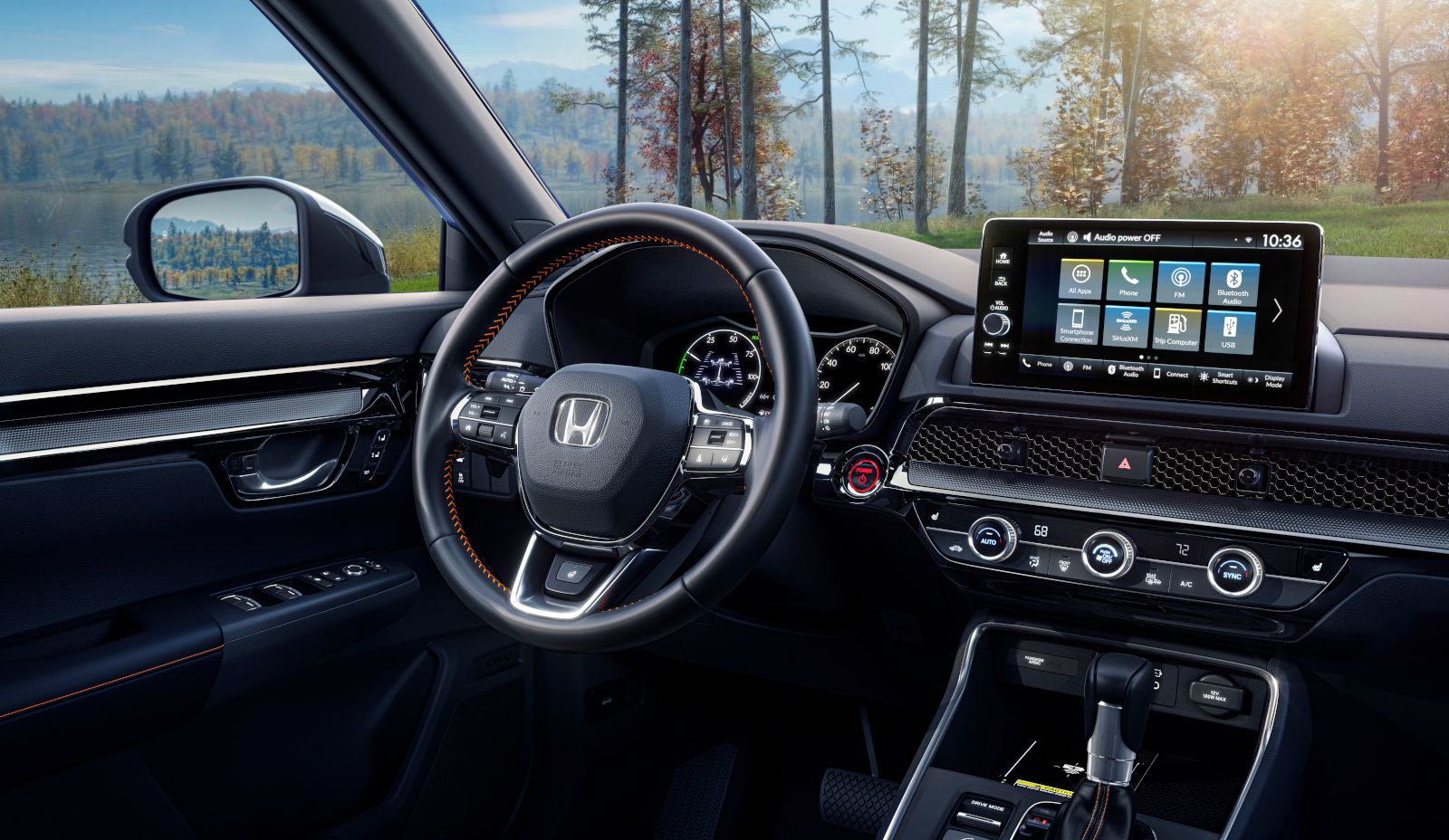
Drivers who cover regular highway distances, whether for work or weekend trips, are the ones most likely to notice ACC’s effect. It is less about any single dramatic save and more about arriving with less fatigue after a couple of hours behind the wheel.
The CR-V supports that kind of drive with the rest of its cabin. Every 2026 CR-V gets a 9-inch colour touchscreen, and higher trims, including the Sport, Sport Hybrid, TrailSport Hybrid, EX-L Hybrid, and Touring Hybrid, add a 10.2-inch digital instrument display where Honda Sensing settings are easy to check at a glance.
|
Feature |
Sport Hybrid |
|
Adaptive Cruise Control |
Standard |
|
Lane Keeping Assist System |
Standard |
|
Traffic Jam Assist |
Standard |
|
Blind Spot Information |
Standard |
|
Collision Mitigation Braking |
Standard |
Driving character differs between the turbocharged trims and the hybrid trims. The 1.5-litre turbocharged engine in the LX and Sport makes 190 hp and 179 lb-ft of torque, while the two-motor hybrid system in the Sport Hybrid, TrailSport Hybrid, EX-L Hybrid, and Touring Hybrid makes 204 hp and 247 lb-ft of torque. That difference in power delivery shapes how each trim feels when ACC is managing speed changes on the highway, with the hybrid’s added torque making those adjustments feel smoother.
Availability of ACC and the rest of Honda Sensing should be confirmed for the exact CR-V trim you are considering, since equipment can vary by configuration.
Making the Most of the CR-V’s Highway Comfort
Adaptive Cruise Control is one piece of how the CR-V handles long Quebec highway drives, working alongside Lane Keeping Assist and the rest of Honda Sensing to reduce constant pedal input without taking your attention off the road. Seating, visibility, and cabin controls round out a setup built for regular highway use.
Visit Lallier Honda PAT in Pointe-aux-Trembles to sit in a 2026 CR-V and try the steering-wheel controls for yourself. Our team can walk you through which trim fits your regular drive.